
Vein conditions don't develop overnight. They progress gradually through distinct stages, each with recognisable symptoms that signal something is wrong. Understanding how veins function and what happens when they stop working properly is the first step toward protecting your long-term health.
If you're experiencing any signs of a vein condition, early diagnosis and treatment can prevent the problem from advancing into something far more serious.
How Veins Function in the Human Body
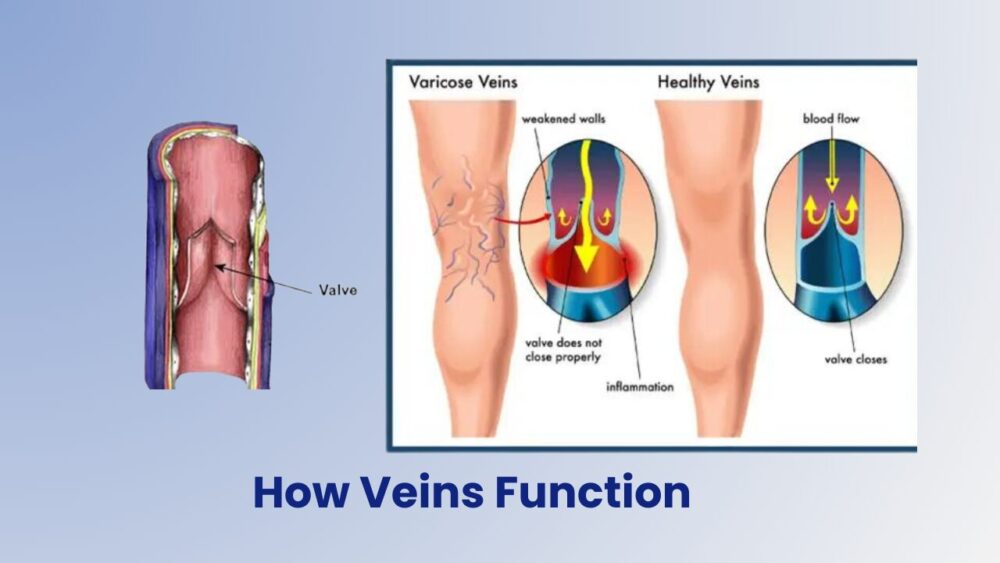
To understand vein conditions, you first need to understand how veins function as part of your circulatory system. The human circulatory system is made up of two key sections:
- Arteries carry oxygen-rich blood and nutrients from the heart to every tissue in your body.
- Veins return oxygen-depleted blood back to the heart and lungs for re-oxygenation.
While this sounds simple, veins face a significant challenge they must push blood upward, against gravity. This constant battle makes veins far more susceptible to damage than any other part of the circulatory system.
So exactly how does vein function hold up against gravitational pressure? It relies on two essential mechanisms:
- Muscle contractions: With every step you take, your calf and thigh muscles squeeze and pump blood forward through the veins.
- One-way valves: Valves inside each vein open to allow blood to pass through, then snap shut immediately to stop it from flowing backward.
When these valves or vein walls weaken, often as a result of high blood pressure, prolonged standing, or aging — blood begins to pool in the lower limbs. This disrupts normal vein function and leads to a condition called venous insufficiency. Left untreated, it progresses into Chronic Venous Insufficiency (CVI), which currently affects around 40% of adults worldwide.
What Are Vein Conditions & How Do They Progress?
Vein conditions develop in stages. What begins as a minor cosmetic concern can gradually escalate into a painful and potentially life-threatening medical issue. Recognising the symptoms at each stage gives you the best chance of seeking timely treatment.
Here is a breakdown of the six stages of vein disease and the warning signs to look out for.
Stage 1 : Spider Veins & Reticular Veins
The earliest visible sign of a vein condition is the appearance of spider veins: small, web-like clusters of red or blue vessels visible just beneath the skin's surface. Alongside these, you may notice reticular feeder veins, which appear as thin, flat, blue lines running beneath the skin.
While spider veins are generally not medically dangerous on their own, they are often an indicator of increased venous pressure and an early warning sign of underlying vein conditions that may worsen over time.
Stage 2 : Varicose Veins
As venous pressure continues to build, spider veins can progress into varicose veins. These affect the larger surface veins, causing them to become visibly swollen, rope-like, and discoloured. Varicose veins are one of the most recognisable vein conditions and are commonly accompanied by:
- Aching or throbbing in the legs
- A persistent feeling of heaviness or fatigue
- Discomfort that worsens after prolonged standing or sitting
This stage signals that vein function has been significantly compromised and that medical attention is needed.
Stage 3 : Edema (Swelling)
As vein conditions progress and pressure on the vein walls increases, fluid begins leaking into the surrounding tissue. This causes edema noticeable swelling in the legs, ankles, and feet. Common symptoms at this stage include:
- Itching and burning sensations
- A warm feeling when the leg is touched
- Skin dimpling around the affected area
- Increased discomfort when standing for long periods
Edema is a clear indicator that your vein condition requires prompt medical evaluation and treatment.
Stage 4 : Venous Stasis Dermatitis
When edema is left untreated, it begins to affect the skin overlying the damaged veins. The skin may develop brownish-red blotches often referred to as "cayenne pepper spots" on the lower legs and ankles. This discoloration is caused by hemosiderin, a byproduct of broken-down hemoglobin.
This stage of vein conditions, known as venous stasis dermatitis, can also cause the skin to:
- Thicken and harden
- Develop a shiny or scaly appearance
- Become increasingly itchy and irritated
At this point, the vein condition has moved well beyond cosmetic concern and requires urgent medical care.
Stage 5 : Venous Ulcers
Advanced vein conditions can lead to the development of venous ulcers open, slow-healing sores that typically appear on the lower leg or ankle. These ulcers are surrounded by discolored or hardened skin and, while they may not be initially painful, they become extremely painful and difficult to manage once infected.
Venous ulcers are particularly dangerous for people with diabetes, as poor circulation significantly slows the healing process. This is a critical fact to be aware of more than 80% of lower limb amputations begin with a foot ulcer. Treating vein conditions before they reach this stage is essential.
Stage 6 : Deep Vein Thrombosis (DVT)
In the most severe cases, untreated vein conditions can lead to deep vein thrombosis (DVT) , a dangerous blood clot that forms in a deep vein, typically in the leg. DVT is a medical emergency. If the clot dislodges and travels to the lungs, it can cause a pulmonary embolism, which can be fatal.
Symptoms of DVT include sudden swelling, warmth, redness, and pain in the affected leg. If you experience these symptoms, seek emergency medical care immediately.
Why Understanding How Veins Function Matters for Your Health
Now that you understand how veins function and how vein conditions develop and progress, the importance of early intervention becomes clear. A condition that starts as a cluster of spider veins can without treatment develop into a venous ulcer or life-threatening blood clot over time.
The good news is that when vein conditions are caught early, they are easily treatable. You should seek medical advice if you notice any of the following:
- Visible spider veins or varicose veins on your legs
- Persistent leg heaviness, aching, or fatigue
- Swelling in the ankles, feet, or lower legs
- Skin changes, discoloration, or unexplained itching
- Open sores or slow-healing wounds on the lower leg or ankle
Get Expert Treatment for Vein Conditions in Melbourne
At Melbourne Varicose Vein Clinic, Dr. Nellie provides thorough evaluations and personalised treatment plans for all stages of vein conditions from early spider veins to advanced venous disease. No matter where you are in the progression of your vein condition, expert care can help you reclaim comfort, confidence, and long-term vascular health.
Don't wait for your vein condition to worsen. Book your consultation with Dr. Nellie today and take the first step toward healthier veins.